research areas | integrative, mechanistic ecology
global change biology
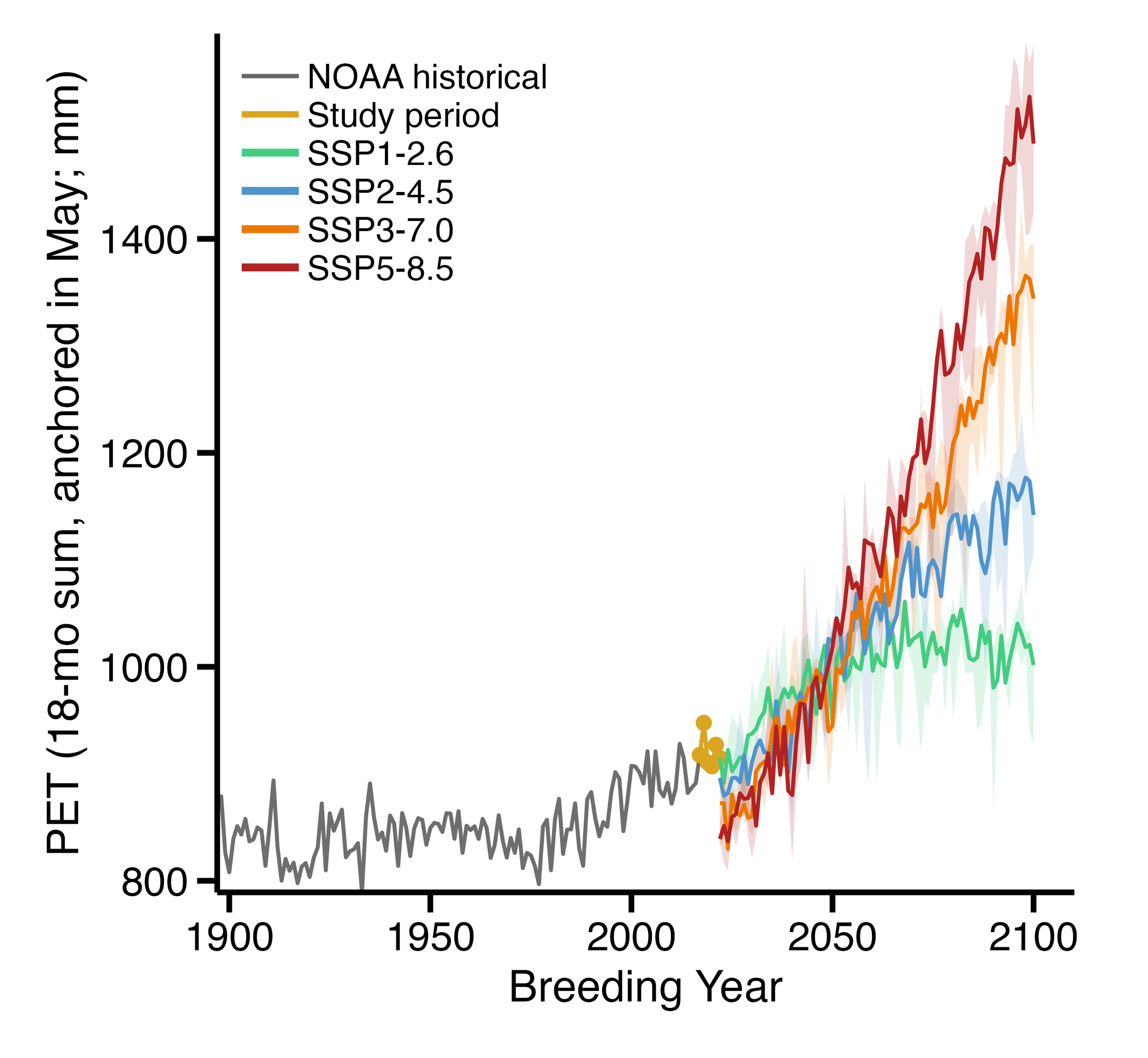
I am interested in how animals, primarily terrestrial birds, are responding to accelerating global change. For example, I use demographic and ecological forecasting to predict how sensitive life-history stages may be affected by projected droughts and how this scales to limit current, past, and future population growth.
physiological ecology
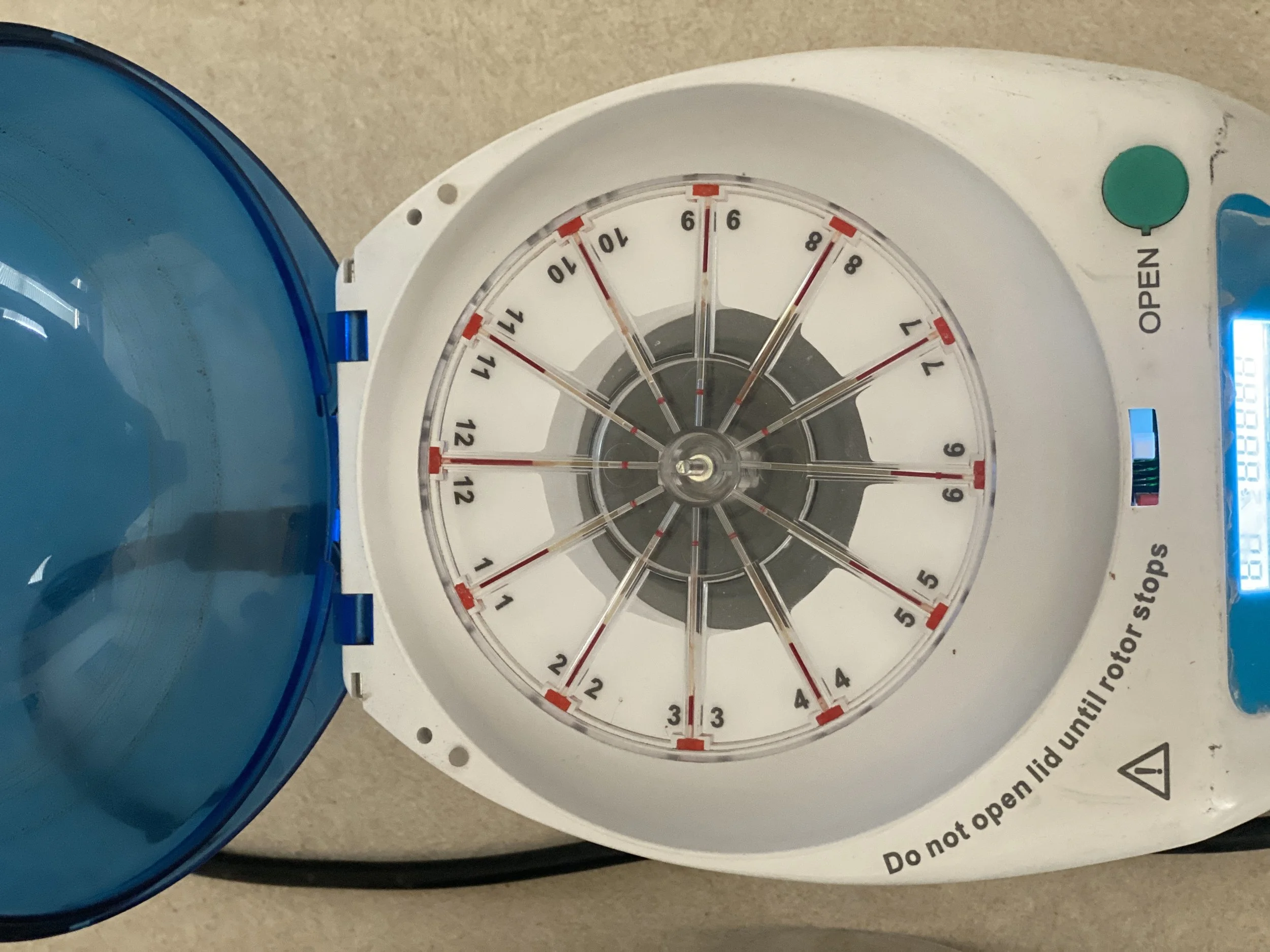
Animals inhabiting extreme environments face unique physiological challenges that may shape their responses to climate change. Dryland birds, for example, routinely contend with dehydration, overheating, and the physiological tradeoffs between maintaining water and thermal balance and investing in essential activities such as reproduction and migration. Yet, physiology is often overlooked in wildlife conservation strategies. Ecophysiology provides a mechanistic perspective that extends beyond identifying ecological patterns to understanding why populations decline, insights that are particularly important for predicting the vulnerability of dryland species to increasingly frequent and severe drought.
AVIAN demography and movements
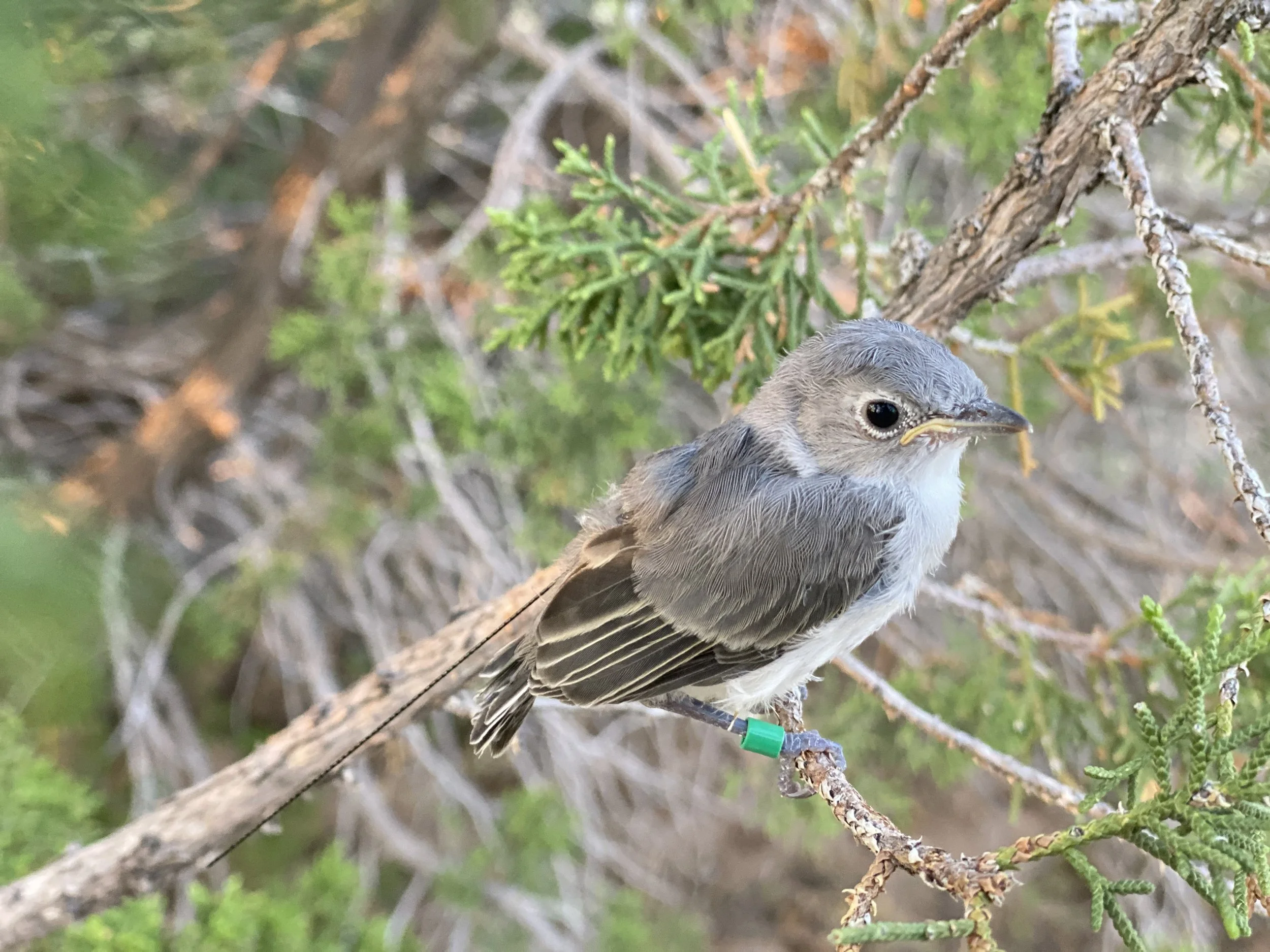
Factors occurring throughout the annual cycle can limit animal populations, but research often focuses on only a small slice of the year. I use tracking technology, such as radio telemetry and multi-sensor geolocators, to follow birds across local landscapes and throughout their migrations. These data provide important insights into movement ecology (e.g., migration routes, key nonbreeding sites, and post-fledging movements), as well as survival and habitat associations across the annual cycle. By integrating tracking data with measures of physiology and stress, I investigate how environmental conditions shape individual performance, survival, and reproduction, and ultimately influence population dynamics.